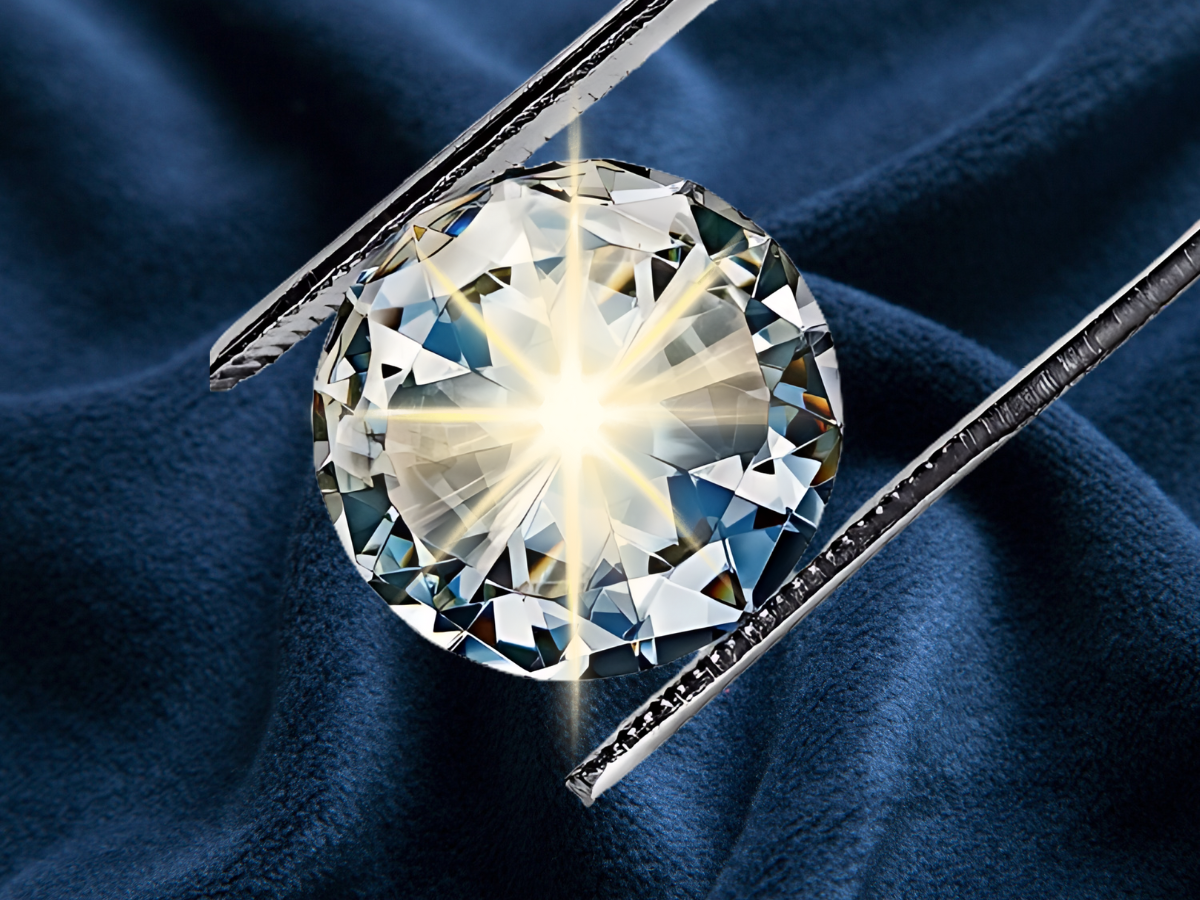


Choosing a lab-grown diamond is only half the design decision. The metal surrounding it changes how the diamond looks, how the ring feels on your hand, how it ages, and how much care it may need over the years.
For Australian couples comparing lab diamond rings platinum vs gold, there is no single metal that wins for every ring. Platinum offers a naturally white appearance, substantial feel, and excellent long-term wear. Gold gives you greater colour choice, a lighter feel, and the flexibility to create anything from a crisp white setting to a warm yellow or romantic rose design.
The right choice comes down to your lifestyle, aesthetic preferences, setting style, skin sensitivity, and budget.
Table of Contents
Lab Diamond Rings Platinum vs Gold: The Quick Difference
Both platinum and gold are established precious metals for engagement rings, wedding bands, and fine diamond jewelry. Their differences become more noticeable once a ring is worn every day.
| Feature | Platinum | Gold |
|---|---|---|
| Natural colour | Silvery white | Yellow; can be alloyed into white or rose |
| Feel | Heavier and substantial | Generally lighter |
| Typical jewellery purity | Often 95% | Commonly 9ct, 14ct or 18ct |
| White finish | Naturally white | White gold is often rhodium plated |
| Ageing | Develops a soft patina | Develops scratches and normal wear |
| Skin sensitivity | Often suitable for sensitive skin | Depends on the alloy |
| Design choice | Refined white-metal look | White, yellow and rose options |
| Initial cost | Often higher | Varies by karat and design |
The important point is that durability does not simply mean “which metal scratches less.” Platinum and gold respond differently to years of wear.
Why Platinum Works So Well With Lab-Grown Diamonds
Platinum has a naturally cool white tone. That makes it particularly attractive beside colourless and near-colourless lab-grown diamonds because there is little competing colour around the stone.
Its density also gives a ring noticeable weight. Some people associate that substantial feel with traditional fine jewelry and luxury man made diamonds.
Platinum used for fine jewelry is commonly high in purity, often around 95%. Its high purity and naturally white colour mean it does not depend on rhodium plating to maintain a bright white appearance. Platinum is also widely chosen for people concerned about sensitivity to certain metal alloys.
Platinum Ages Rather Than Staying Mirror-Perfect
A new platinum engagement ring can look bright and polished, but daily wear gradually changes the surface.
Fine scratches create what jewellers call a patina, giving platinum a softer, slightly satin-like appearance. This is normal rather than an indication that the ring has become structurally weak.
One useful distinction is how platinum behaves when scratched. Rather than losing the same amount of material through wear, platinum tends to displace metal across its surface. This characteristic contributes to its reputation for long-term wear in engagement ring settings.
If you prefer the original polished appearance, professional polishing can restore much of its brighter finish.
Why Gold Remains a Favourite for Engagement Rings
Gold offers something platinum cannot: meaningful colour choice.
Yellow gold provides warmth and a traditional fine-jewelry appearance. Rose gold introduces a softer pink tone, while white gold delivers the cooler appearance many buyers want from contemporary engagement rings.
This flexibility matters when creating personalized jewelry.
A warm yellow gold band, for example, can create beautiful contrast around a bright lab-created diamond. A white gold solitaire offers a clean, understated appearance. Rose gold can give vintage-inspired ring settings a distinctly romantic character.
For buyers exploring designs through NOVITA Diamonds, comparing metal colours alongside diamond shapes and settings can be more useful than choosing the diamond in isolation.
18ct Gold Is Particularly Relevant in Fine Jewelry
Australian engagement-ring buyers will often encounter 18ct gold. It contains 75% pure gold, with other metals added to influence its colour, strength, and working characteristics.
Those alloys are what make different gold colours possible.
Yellow gold retains its familiar warm character. Rose gold typically gains its pink tone through copper-containing alloys. White gold uses pale alloys to reduce the natural yellow appearance of gold and is commonly finished with rhodium for a brighter white surface.
That last point matters for long-term ownership. Rhodium plating can gradually wear, so some white gold rings may need periodic replating if you want to preserve that freshly finished white appearance.
Which Metal Is Better for Everyday Wear?
An engagement ring is not display jewelry. It encounters desks, bags, door handles, gym equipment, household tasks, and thousands of small contacts that leave evidence of everyday life.
Platinum is appealing when long-term wear resistance and stone security are priorities. Its density and wear characteristics make it a well-established material for diamond settings and prongs.
Gold remains highly practical for everyday jewelry too. The exact performance depends on the gold purity, alloy composition, ring dimensions, and setting construction.
Neither metal should be treated as indestructible.
Even a beautifully made platinum or gold ring should be removed for activities that could expose it to hard impacts, strong chemicals, or unnecessary pressure.
Does Metal Colour Change How a Lab Diamond Looks?
Yes, especially around the centre stone.
A white platinum or white gold setting creates a visually continuous transition between the metal and a colourless diamond. This can give solitaire, halo, and pavé engagement rings an especially crisp appearance.
Yellow and rose gold work differently. Instead of blending with the diamond, they create contrast.
That contrast can be intentional.
A popular design approach is to use yellow or rose gold for the band while choosing white metal for the prongs holding the centre diamond. The white prongs visually recede against the stone, while the coloured band keeps its distinctive personality.
This is where custom engagement rings become useful. Metal does not have to be treated as an isolated technical choice. It can become part of the visual composition.
Consider Your Wedding Band at the Same Time
One detail buyers sometimes overlook is how their engagement ring will eventually sit beside a wedding band.
Think about the complete bridal jewelry set before committing to a metal.
Matching metals can create visual consistency and predictable wear between neighbouring rings. Mixed-metal combinations can also look sophisticated, but they should be deliberate rather than accidental.
Consider:
- whether you want matching or contrasting metal colours
- the height and profile of the engagement ring
- whether a straight wedding band will sit flush
- how pavé or diamond-set bands will interact
- the width of both rings when stacked
- your preference for a uniform or mixed-metal bridal set
A jeweller can also help assess how two rings will make contact over years of regular wear.
Platinum or Gold for Sensitive Skin?
For someone with known metal sensitivities, alloy composition deserves attention before purchasing.
Platinum’s high purity makes it a popular option for sensitive skin. Gold requires a little more investigation because jewellery gold is alloyed with other metals, and the exact composition can vary between manufacturers.
If sensitivity is a concern, ask the jeweller exactly which alloy is used rather than relying solely on labels such as “white gold.”
That small conversation can prevent an expensive ring from becoming uncomfortable to wear.
Which Metal Should You Actually Choose?
Think beyond which metal sounds more luxurious.
Choose platinum if you value a naturally white metal, substantial weight, high purity, minimal colour maintenance, and the distinctive patina it develops with age.
Choose gold if you want greater colour freedom, prefer a lighter feel, love the warmth of yellow or rose tones, or want more flexibility around the initial ring budget.
For white-metal buyers, the decision is more nuanced. Platinum remains naturally white, while conventional rhodium-plated white gold may require future replating. White gold, however, can provide a lighter feel and a different polished character.
The most successful lab diamond rings platinum vs gold choice is ultimately the one that fits the person wearing it. Diamond size may catch attention first, but metal affects the ring every single day, from how it feels on the finger to how its character changes after years of wear.