

Choosing a diamond is often tied to a major life moment: an engagement, a wedding, an anniversary, or a meaningful gift. That makes the debate around lab made diamonds vs real especially important for buyers who want beauty, quality, and long-term value without making a rushed decision.
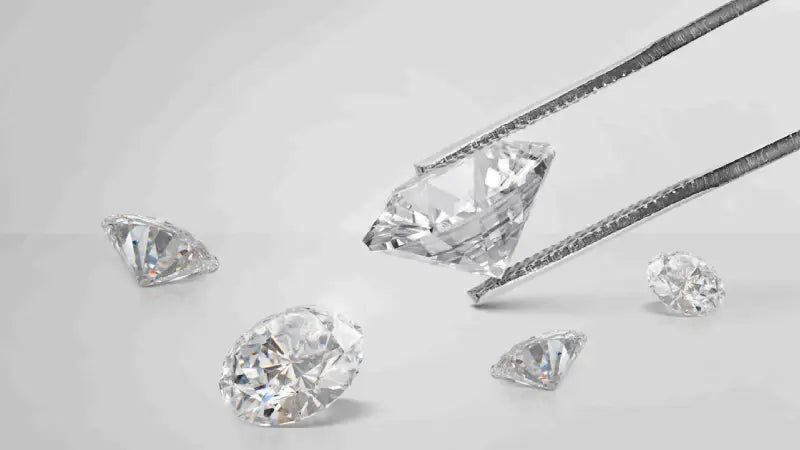
One common misunderstanding is that a laboratory-grown diamond is somehow a substitute for a diamond. It is not. Lab-grown diamonds and mined diamonds are both diamonds, with the same fundamental crystal structure and many of the same visual and physical properties. The biggest differences come from their origin, price, environmental considerations, rarity, and resale expectations.
For buyers in Spain exploring engagement rings or fine jewelry, understanding those differences makes it easier to choose a stone based on personal priorities rather than marketing language.
Table of Contents
What Are Lab-Made Diamonds?
Lab-made diamonds, also called lab-grown diamonds or lab-created diamonds, are produced in controlled laboratory environments using technology designed to recreate the conditions under which diamonds form.
Two major production methods are commonly used:
- CVD — Chemical Vapour Deposition
- HPHT — High Pressure High Temperature
The finished stone can be cut, polished, graded, and set into jewelry in much the same way as a mined diamond.
A properly produced lab-grown diamond is not the same as cubic zirconia, moissanite, or another diamond simulant. Those materials have different chemical compositions. Laboratory-grown and mined diamonds are both crystalline carbon.
Lab Made Diamonds vs Real: The Main Differences
The word “real” can create confusion. A more accurate comparison is lab-grown diamonds versus mined diamonds, because both can be genuine diamonds.
Here is a practical comparison.
| Feature | Lab-Grown Diamond | Mined Diamond |
|---|---|---|
| Origin | Created in a controlled laboratory | Formed naturally beneath the Earth |
| Material | Crystalline carbon | Crystalline carbon |
| Appearance | Can appear identical to the naked eye | Traditional natural diamond appearance |
| Grading | Can receive independent diamond certification | Can receive independent diamond certification |
| Typical cost | Usually lower for comparable specifications | Generally higher |
| Rarity | Can be manufactured | Naturally limited |
| Ethical considerations | Avoids traditional diamond mining | Depends heavily on sourcing practices |
| Resale expectations | Often more limited | May retain stronger secondary-market demand |
This comparison does not make one category automatically better. It simply shows why the right choice depends on what the buyer values most.
Can You Tell a Lab-Grown Diamond From a Mined Diamond?
In normal jewelry settings, most people cannot distinguish a high-quality lab-grown diamond from a mined diamond simply by looking at it.
Both can display brilliance, fire, transparency, and sparkle. Professional gemological laboratories may identify their origin using specialized equipment that examines growth structures, inclusions, fluorescence, and other microscopic characteristics.
This is one reason diamond certification matters.
When purchasing fine jewelry, lab diamonds review the grading report rather than relying solely on photographs or descriptions. A professional report can document important characteristics such as:
Carat Weight
Carat describes the weight of the diamond rather than its visible dimensions alone.
Cut
Cut has a major influence on how effectively a diamond reflects light. An expertly proportioned stone can appear brighter and livelier.
Colour
Diamond colour grades indicate how much noticeable body colour is present in the stone.
Clarity
Clarity considers internal characteristics known as inclusions and external characteristics called blemishes.
Understanding these factors is useful for both mined and laboratory-grown stones.
Why Lab-Grown Diamonds Appeal to Modern Buyers
Price is one of the most noticeable reasons people explore laboratory-created stones.
Because lab-grown diamonds are not dependent on geological scarcity, buyers can often consider a larger carat weight, a higher clarity grade, or a more elaborate ring setting while keeping within the same jewelry budget.
That can be especially appealing when designing custom engagement rings.
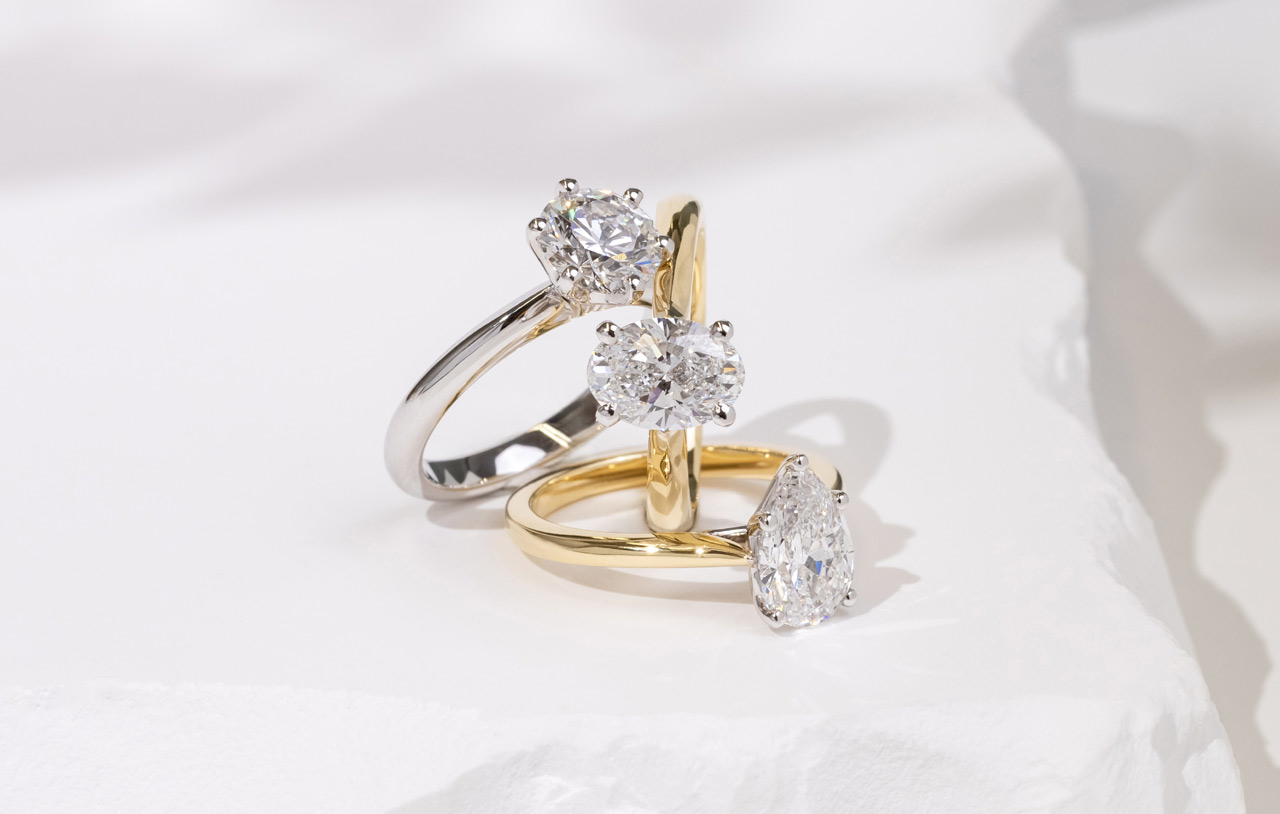
For example, someone choosing between two stones may prefer a larger oval lab-grown diamond rather than reducing size or clarity to obtain a mined stone within their planned budget.
The savings can also leave greater flexibility for details such as:
- platinum or 18k gold settings
- hidden halos
- pavé diamond bands
- side stones
- engraving
- matching wedding bands
- personalized jewelry design
This makes the decision about more than simply buying the largest diamond possible. It creates room to focus on the complete piece.
Ethical Sourcing and Sustainable Jewelry
Ethical considerations have become more relevant within fine jewelry buying.
Lab-grown diamonds avoid the traditional extraction process associated with mining, which appeals to customers interested in ethical diamonds and more transparent sourcing.
Still, sustainability should not be reduced to a simple label. Laboratory production requires energy, and environmental impact can vary depending on the technology and energy source used by individual producers.
Consumers interested in sustainable jewelry should therefore look beyond broad claims and consider transparent information about manufacturing, materials, supply chains, recycled precious metals, and jewelry craftsmanship.
For mined stones, responsible sourcing documentation can also provide useful context about origin and supply-chain standards.
How to Choose an Engagement Ring in Spain
An engagement ring should suit the person wearing it rather than follow a short-lived trend.
Start with lifestyle and personal taste. Someone who works frequently with their hands may prefer a lower-profile ring setting. Someone drawn to classic bridal jewelry may prefer a solitaire, while another person may want a halo, trilogy design, or distinctive custom setting.
Popular diamond shapes include:
- round brilliant
- oval
- emerald
- pear
- cushion
- radiant
- princess
Metal choice also changes the overall character of the ring. White gold and platinum offer a cool, modern appearance, while yellow gold provides warmth and a more traditional feel. Rose gold can create a softer, romantic look.
Spanish shoppers researching lab made diamonds vs real can also explore specialized collections and educational resources through novitadiamonds.es before comparing stone specifications and settings.
Do Lab-Grown Diamonds Last?
A lab-grown diamond is made from the same basic material as a mined diamond, so it is suitable for jewelry intended to be worn for many years.
Durability matters particularly for engagement rings and wedding jewelry because these pieces are often worn daily.
The longevity of the finished piece also depends on the setting and craftsmanship. Prongs can loosen, bands can become scratched, and pavé stones may require maintenance regardless of whether the centre diamond was mined or laboratory-created.
Professional inspection and periodic cleaning can help protect valuable diamond jewelry over time.
What About Resale Value?
Resale is one area where expectations should remain realistic.
Mined diamonds benefit from natural scarcity and an established secondary market. Even then, consumers should not assume that a mined diamond will automatically appreciate or resell for its original retail price.
Lab-grown diamonds generally have less predictable resale values because production technology continues to develop and supply is not naturally limited.
For someone purchasing an engagement ring primarily for emotional significance, appearance, craftsmanship, and everyday wear, resale may not be the deciding factor.
For a buyer focused heavily on rarity, collectability, or secondary-market demand, mined diamonds may deserve closer consideration.
Choosing Based on Meaning Rather Than Labels
The best diamond is not determined by whether it came from beneath the Earth or a laboratory.
A buyer who values geological rarity and traditional provenance may naturally prefer a mined diamond. Someone who prioritizes design flexibility, accessible pricing, ethical sourcing, or a larger stone for the same budget may find lab-grown diamonds more compelling.
The most important step is to compare equivalent specifications, request reliable certification, understand the ring setting, and work with a jeweler that communicates clearly about what is being sold.
A carefully selected diamond becomes part of a personal story. Its origin matters, but so do its cut, design, craftsmanship, symbolism, and the person who will wear it.