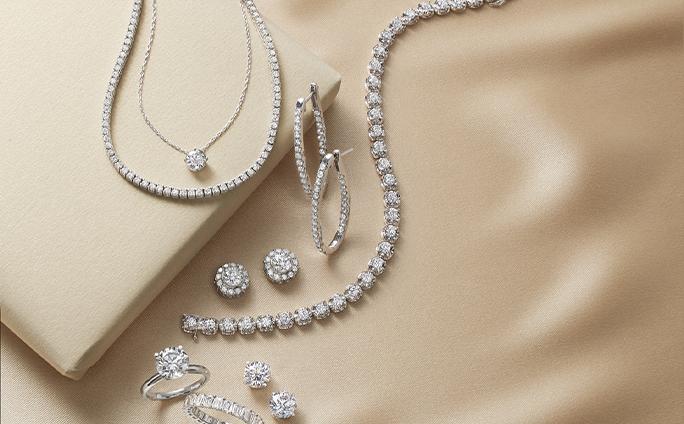


Diamond jewelry has long represented love, commitment, and personal milestones. Yet the way people shop for these pieces has changed considerably. Buyers now ask questions about sourcing, production methods, pricing, and long-term value before making a purchase.
This shift helps explain the interest surrounding the start of Novita lab diamonds and the company’s place in the jewelry market. Its business model reflects growing demand for alternatives to traditionally mined gemstones, particularly among couples choosing engagement rings.
Table of Contents
The Beginning of Novita Diamonds
Novita Diamonds emerged as an Australian jewelry business focused on laboratory-grown diamond engagement rings and fine jewelry. Rather than following the conventional model of selling primarily mined stones, the company built its offering around diamonds produced through controlled technological processes.
The start of Novita lab diamonds reflects a broader change in consumer expectations. Customers increasingly want detailed product information, flexible design options, and a clearer understanding of what they are purchasing.
The company’s approach places considerable emphasis on diamond selection, ring customization, and direct communication with customers. These features appeal to shoppers who prefer comparing specifications rather than relying entirely on traditional luxury branding.
Why Laboratory-Grown Diamonds Attract Buyers
One reason laboratory-created gemstones have gained attention is their physical composition. They are genuine diamonds made of crystallized carbon, with essentially the same chemical structure and optical properties as mined diamonds.
Unlike imitation stones such as cubic zirconia, lab diamonds can display the hardness, brilliance, and durability associated with natural diamonds. Their main distinction lies in their origin rather than their fundamental material properties.
Manufacturers generally use two production methods:
-
High Pressure High Temperature (HPHT): Recreates conditions involving intense pressure and heat to encourage diamond crystal growth.
-
Chemical Vapor Deposition (CVD): Uses carbon-containing gases inside a controlled chamber to grow diamond material on a seed crystal.
Both techniques require specialized equipment and careful production management. The resulting stones may undergo additional treatment, cutting, and polishing before entering the jewelry market.
Jewelry Design Beyond the Diamond
The appeal of a diamond ring depends on more than the center stone. Metal choice, setting style, proportions, and everyday comfort all influence the finished piece.
Engagement Rings With Personal Details
Novita Diamonds offers jewelry options that reflect different preferences, from understated solitaire settings to designs featuring additional accent stones. Customers can consider traditional round brilliant cuts alongside shapes such as oval, emerald, and pear.
For example, an oval diamond can create an elongated appearance on the finger. An emerald cut offers broad, step-cut facets and a more geometric look. Neither shape is universally better; personal taste and stone quality matter.
Choosing a Suitable Setting
Platinum and gold remain popular choices for engagement rings. Platinum offers a naturally white appearance, while gold provides several color options, including yellow, white, and rose.
Prong settings expose more of the diamond to view, while bezel settings surround its edge with metal. Someone with an active lifestyle may prefer the additional protection of a well-designed bezel.
Pricing, Certification, and Diamond Quality
Price transparency is another important part of the conversation surrounding the start of Novita lab diamonds. Laboratory-grown stones generally cost less than comparable mined diamonds, although prices vary with size, quality, and market conditions.
A lower purchase price can give customers room to prioritize craftsmanship, setting materials, or a larger center stone. However, the cheapest diamond is not necessarily the most attractive.
Buyers should examine the traditional four Cs: cut, color, clarity, and carat weight. Cut quality deserves particular attention because it strongly influences brightness and sparkle.
Independent grading reports can also provide useful information. Organizations such as the International Gemological Institute (IGI) assess diamond characteristics, helping buyers compare stones using documented specifications.
A grading report does not guarantee future resale value. Laboratory-grown diamond prices can change significantly, so jewelry purchases are generally better approached as personal purchases rather than financial investments.
Sustainability Claims Deserve Careful Attention
Environmental considerations have contributed to interest in laboratory-created jewelry. Producing diamonds without conventional mining can avoid certain forms of land disturbance associated with extraction.
However, laboratory production still requires electricity, equipment, and industrial resources. Environmental impact depends partly on the energy source, manufacturing efficiency, and supply chain.
Consumers should therefore examine specific sustainability claims rather than assuming every laboratory-created stone has an identical environmental footprint. Clear sourcing information and credible supporting evidence provide a stronger basis for comparison.
A More Informed Approach to Fine Jewelry
The story surrounding the start of Novita lab diamonds illustrates how jewelry retail is adapting to changing priorities. Buyers have more opportunities to compare technical specifications, personalize designs, and consider alternatives to mined gemstones.
For anyone considering lab diamonds, the most useful next step is to compare grading reports, inspect setting quality, and review warranty and return terms. A thoughtfully chosen piece should suit the wearer’s lifestyle, preferences, and budget long after the purchase.